

The Decline of Detox Culture
From green juice to glymphatic drainage: tracing the unraveling of wellness’s most enduring buzzword—and what replaced it.

In the late 1990s and early 2000s, to be into wellness meant one thing above all: you were into detoxing.
The word was everywhere—splashed across juice bars, beauty product packaging, infomercials, spa menus. You could detox your body, your skin, your colon, your armpits, even your hair. There were detoxifying shampoos, detox diets, detox foot pads, and three-day detox retreats built around lemon water and infrared saunas. Whether you were doing it for your complexion, your digestion, or your karma, the idea was the same: your body was full of toxins, and only radical purification could set it right.
In the early 2010s, detox culture hit its mainstream peak. Entire spa menus were organized around elimination. Juice cleanse subscriptions flourished. GOOP released seasonal detox guides with daikon soup and detoxifying daal. To detox was to be in control—of your body, your choices, your life. It was wellness as discipline. Aesthetically austere, morally upright.
But today? The word “detox” barely registers. It feels dated. A relic from a more performative time in wellness. It’s no longer a desirable signifier. The culture has shifted—and detox, once the beating heart of wellness marketing, has been quietly phased out.
So what happened? Did we stop believing in detox altogether—or did we just outgrow the packaging?
Detox: A Cultural Obsession
To understand detox culture’s fall, we first have to understand its rise. Detox emerged as a powerful wellness motif in the late ’90s and early 2000s, a period marked by growing anxiety around modern toxicity—pollution, pesticides, plastics, preservatives. People were looking for purity. Clean eating was on the rise. Yoga entered the mainstream. And celebrities embraced extreme cleanses in the name of health, weight loss, or clarity.
Detox offered a simple solution to complex modern problems. It gave us rituals—baths, teas, green juices—that promised to purge what was wrong and restore what was right. It didn’t really matter that “toxins” were never clearly defined. What mattered was the feeling of doing something. You were flushing. You were abstaining. You were committing.
You didn’t need to book a spa retreat to feel like you were detoxing—you could start your day with warm lemon water, carry chlorophyll drops in your tote, or post your alkalizing green juice on Instagram. Entire online communities debated the merits of cayenne-maple cleanses, dry brushing techniques, and DIY charcoal masks. Pinterest boards were filled with “alkalizing food” charts and seven-day detox infographics.
There was a distinctly aesthetic quality to it all—glass bottles filled with green water, sprigs of mint, grapefruit slices, powders in ceramic bowls. Detox culture was wellness as ritual and performance. It promised transformation, but it also gave people a sense of identity: I am someone who takes care of my body.
Even bath rituals became part of the lexicon. Pursoma’s cult-favorite soak, Digital Detox, captured the shift perfectly: it wasn’t about flushing out toxins from pesticides or processed food—it was about reclaiming yourself from screen addiction, overstimulation, and the nervous energy of the always-on era. The packaging featured minimalist fonts and wellness poetry. It came with instructions to lock away your phone. You weren’t just detoxing your body—you were detoxing your life.
It was a smart evolution of the original detox template, updated for the anxieties of the 2010s: less about chemical toxicity, more about psychic overload. Still, the framework remained the same—something in your environment was harming you, and you needed a ritual to purge it.
Brands rushed in. Clay masks were marketed as detoxifying treatments that pulled out impurities. Shampoos boasted deep-cleansing properties to “reset” the scalp. Colonics became boutique offerings. Detox was everywhere—and it sold.
The Shift: From Ritual to Redundancy
But as the wellness industry matured and scientific scrutiny deepened, cracks began to show. Health professionals pointed out that the body already has robust systems for detoxification—the liver, kidneys, lungs, lymph, and skin work around the clock to eliminate waste. No juice cleanse or clay wrap was going to “activate” what wasn’t already functioning.
Moreover, detox culture often masked disordered behavior: extreme restriction, obsessive clean eating, or punitive habits disguised as health. The language of detox—full of words like “impurities,” “cleansing,” and “resetting”—began to feel moralizing. You weren’t just supporting your body; you were trying to purify it.
Then came 2020. A global pandemic made terms like “immunity,” “resilience,” and “nervous system regulation” the new gold standards. A culture of softness and recovery replaced one of rigidity and purification. Amid rising interest in hormone health, stress, and circadian rhythms, the old language of toxins and scrubs just didn’t hold up.
The body wasn’t dirty. It was burned out.
The Modern Detox Edit
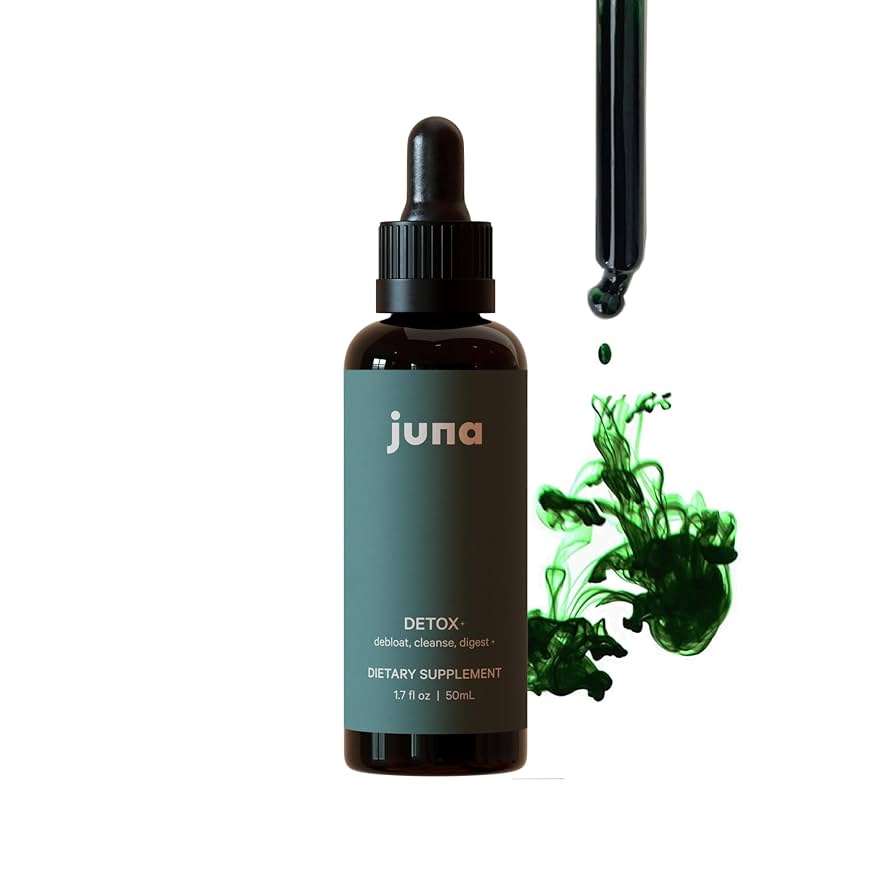
A hero of the new internal detox wave. These chlorophyll-rich botanical drops are formulated to support lymphatic drainage, liver function, and gentle daily cleansing. Just a few drops in water—minty, bright, functional. A clean ritual for clearing stagnation.
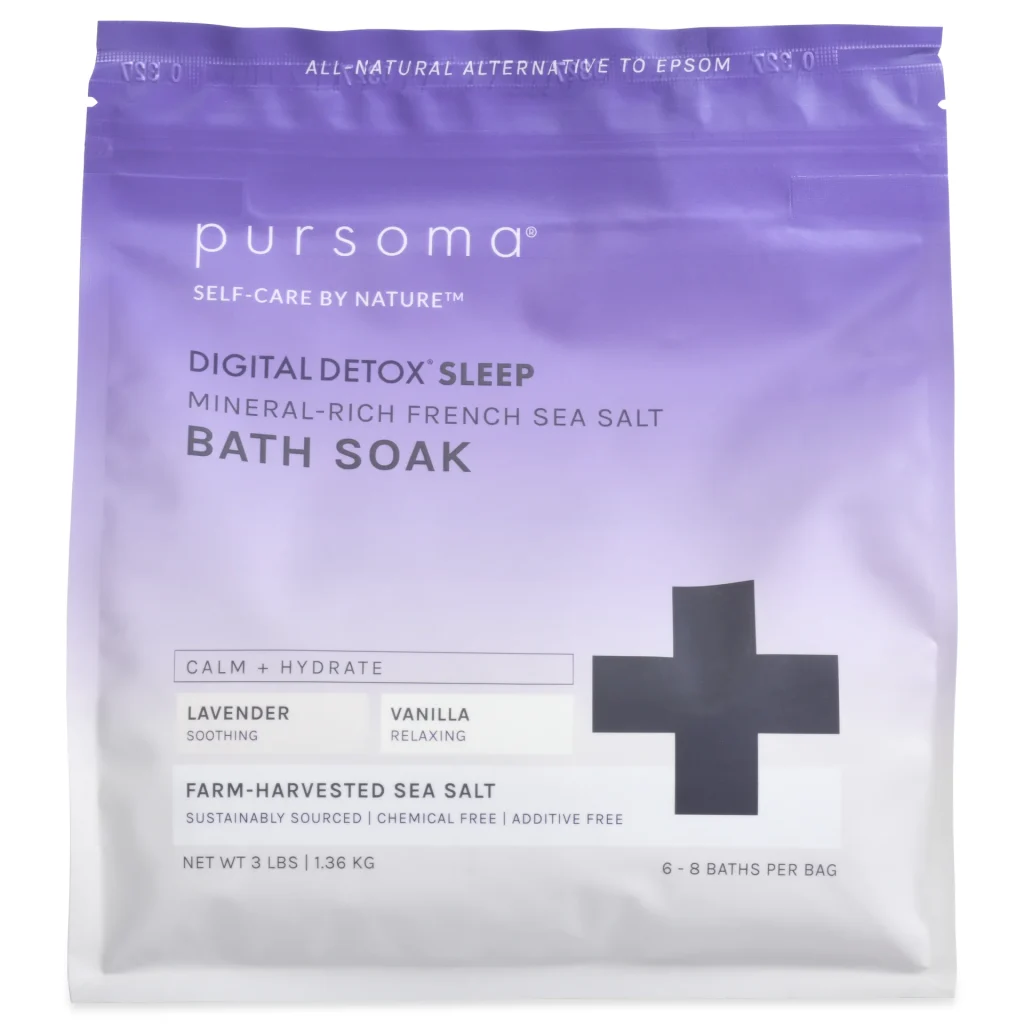
The cult soak that helped reframe detox for the overstimulated age. A blend of French green clay, sea salt, and wild-harvested seaweed designed to help you sweat out stress—tech, toxins, tension. Comes with a strict no-phone policy. Run the bath. Lock the door. You’re offline now.

A whole-food superpowder designed to nourish the body’s detox pathways from within—featuring antioxidant-rich goldenberry, chlorella, and camu camu to support liver function, skin clarity, and metabolic balance.
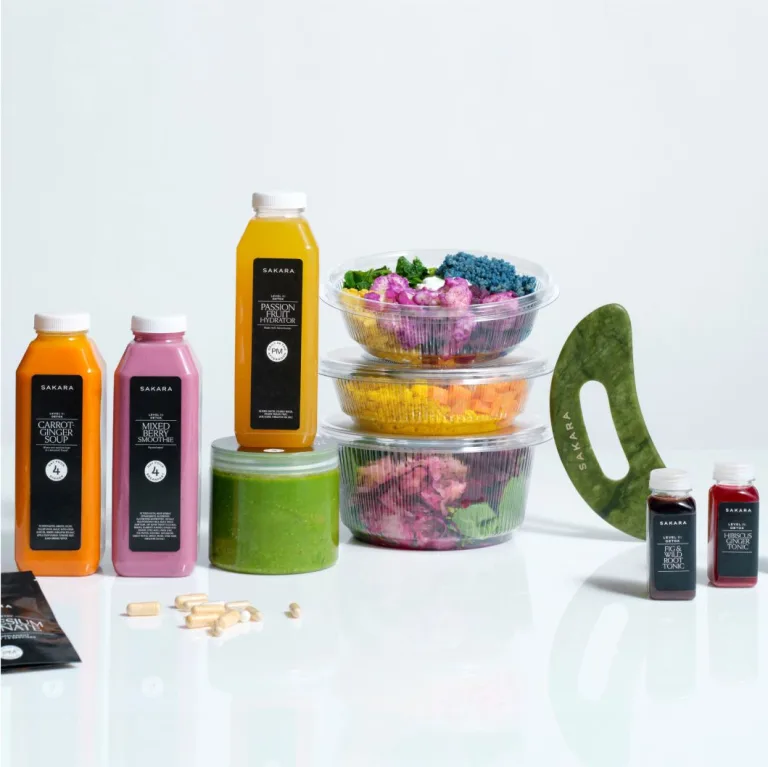
This isn’t your juice cleanse. Sakara’s food-based, five-day reset is designed to support liver function, lymphatic drainage, and gut rest—while keeping you nourished with fiber-rich meals, broths, and supplements. It’s detox through nourishment, not deprivation. Ideal for those seeking a structured but gentle reboot.
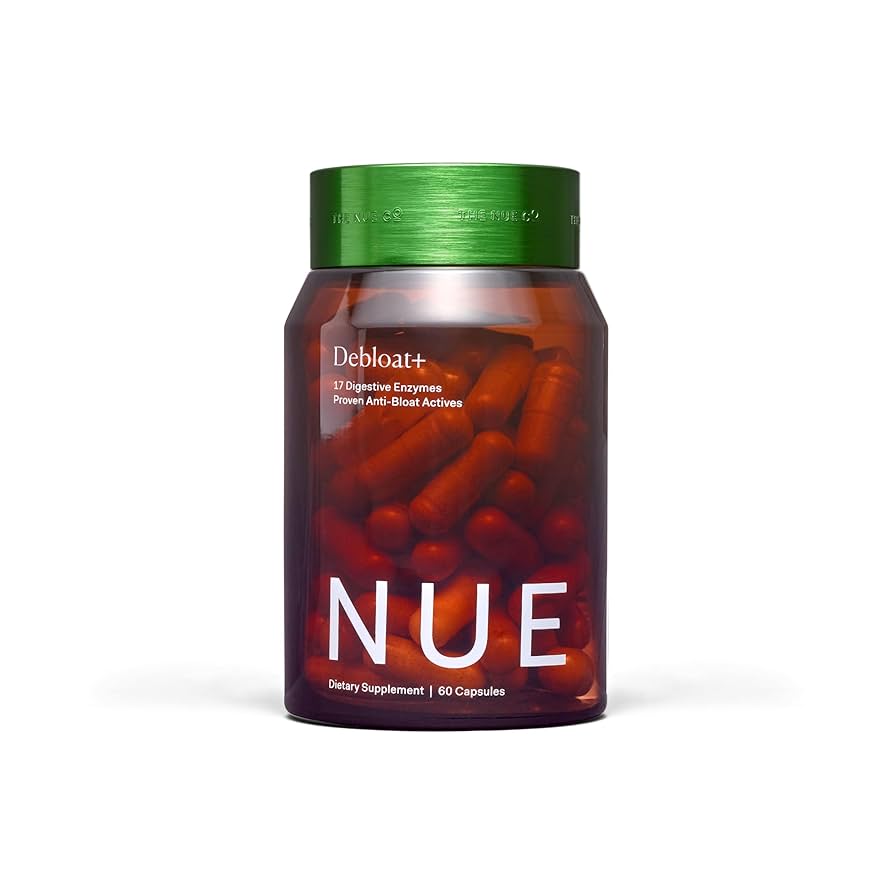
A science-forward solution for digestive imbalance: 17 digestive enzymes paired with turmeric, ginger, and licorice root. Targets bloat and gut inflammation while quietly supporting daily detoxification through improved digestion and microbial balance.
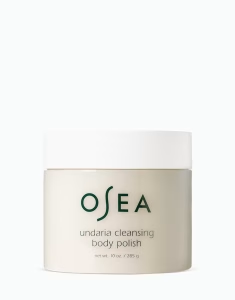
A sensorial seaweed-infused body scrub that exfoliates, stimulates circulation, and supports lymphatic flow. Rich in minerals and antioxidants, it’s a beautiful way to bring detox into your body care ritual—no deprivation, just deeply restorative touch.
So… What Is Detox, Really?
At its core, detox is simply the body’s process of eliminating what doesn’t serve it—from metabolic waste to environmental pollutants to the byproducts of alcohol, sugar, and ultra-processed foods. It’s not glamorous, and it’s not optional: your liver, kidneys, skin, lungs, and lymphatic system are doing it constantly, without fanfare. Silicon Valley based dietitian and nutritionist, Sarah Koszyk, co-founder of wellness brand, MIJA, explains to us:
“Our bodies are constantly detoxing us—every single day. From the foods we eat to the alcohol we drink, the body is always working to restore balance. It’s not glamorous—but it’s happening whether you ‘detox’ or not.”
—Sarah Koszyk, MA, RDN, NBC-HWC
And here’s the truth: detoxing isn’t complicated—it’s just not particularly marketable in its realest form. Most of the time, it comes down to the unglamorous basics:
Don’t drink alcohol. Don’t eat highly processed food. Prioritize sleep. Move your body.
That’s it. No powders, no spa wraps, no proprietary blends.
Once people realized what truly meaningful detox required—and how simple (yet behaviorally inconvenient) it was—it lost its mystique. The concept had been commercialized to the point of parody, but the real work of detox didn’t lend itself to novelty. What used to be aspirational became… expected.
So we’re left with a cultural fatigue:
For those already health-literate, detoxing has become basic maintenance.
For everyone else, it’s too inconvenient to be compelling.
And either way, nobody wants to buy the word anymore.
Detox, Decentralized
Still, the desire behind detox never disappeared. It simply fragmented—spread across new frameworks, new words, new science.
Today, we talk about:
Lymphatic drainage
Glymphatic clearance
Gut microbiome resets
Inflammatory load reduction
Hormonal recalibration
Mitochondrial support
Autophagy and metabolic flexibility
Instead of detox teas and wraps, we now focus on systems—supporting sleep, digestion, circulation, nervous system tone. It’s no longer about flushing toxins in one dramatic ritual, but about daily stewardship of your body’s internal intelligence. Explains Sarah:
“There are ways to help your body recover after a night of overindulgence—extra hydration, nutrient-dense veggies, a walk, sleep. But the more important question is: what does your version of wellness actually look like? What habits are you building to support it?”
—Sarah Koszyk, MA, RDN, NBC-HWC
Even in the beauty world, the word detox has largely been swapped out. Instead of clay masks to purge the skin, we see barrier recovery creams and skin microbiome-supporting mists. Instead of charcoal and acid peels, it’s enzyme care, soothing actives, and lymph-focused massage.
We didn’t stop detoxing. We just stopped calling it that.
It’s not a singular treatment anymore—it’s an entire category. Detox has been decentralized.
Trending Pieces

What Replaced It—and Why
Here’s a look at the most prominent replacements for traditional detox culture:
1. Lymphatic Drainage
Where detox baths and wraps once reigned, today’s wellness space is filled with gua sha, lymphatic massage, fascia release, and breathwork. The focus? Supporting natural flow—not extraction.
2. Gut Health
Instead of elimination diets or harsh colon cleanses, we now see protocols for microbial balance, digestive fire, and prebiotic diversity. The goal isn’t to clear out—it’s to repopulate.
3. Nervous System Regulation
Where emotional detoxes once dominated, the current conversation is around vagus nerve stimulation, trauma healing, and circadian rhythm alignment. It’s less about catharsis, more about homeostasis.
4. Metabolic Optimization
Autophagy, insulin sensitivity, glucose regulation, and mitochondrial health are the new frontier. The tools might include fasting mimetics or blood sugar balancing—but the framing is about energy, not elimination.
Why It Matters
The decline of detox culture isn’t just a trend shift—it reflects a maturing of the wellness mindset.
Rather than framing health as a constant need for purification, the conversation has shifted toward function, resilience, and respect. We now understand the body less as something to punish, and more as something to partner with. That’s a profound reorientation that dietitian, Sarah Koszyk works with daily:
“Extremes don’t work. The ultimate detox is moderation: whole plant-based foods, sleep, hydration, movement. There’s no headline around it. No frills. Just the basics, done consistently.”
—Sarah Koszyk, MA, RDN, NBC-HWC
It’s also more empowering. Detox culture was often tied to anxiety—about food, about modern life, about control. But today’s wellness, at its best, isn’t about fear. It’s about coherence. Regulation. Support.
Where detox once suggested short-term fixes, we now want long-term adaptability.
Where it once relied on products and punishments, we now look to processes and practices.
Where it once moralized “clean” vs “dirty,” we now understand nuance—the body doesn’t need to be perfect, it just needs to be supported.
So, Is Detox Dead?
Yes and no.
The word “detox” has lost its power. It’s too vague to feel credible, too moralistic to feel modern, and too reductive to reflect what health actually demands.
But the impulse behind detox—the desire to feel lighter, clearer, more unburdened—that’s very much alive. It’s just grown up. What we’re seeing now isn’t the end of detox. It’s its evolution: more biologically fluent, more behaviorally realistic, more metabolically honest.
The body still detoxes. It always will.
But the next era of wellness doesn’t fixate on what to remove.
It focuses on how to strengthen, support, and stay well—every day.
Our Detox Faves

The gold standard of at-home sweat therapy. This infrared sauna blends near, mid, and far infrared wavelengths to support circulation, lymphatic drainage, and stress release—mimicking the full-spectrum benefits of nature. It’s not just a sweat session; it’s a nervous system reset with detox benefits built in.
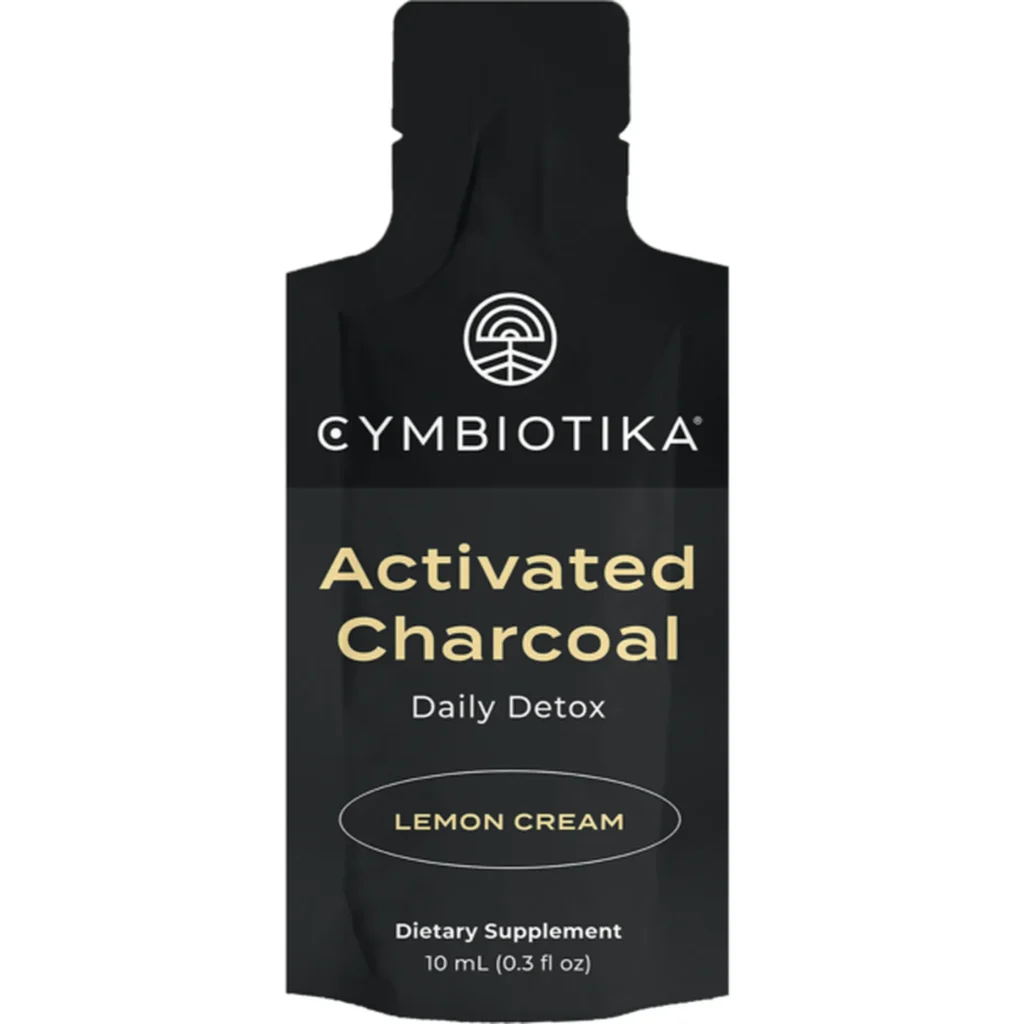
A binder-based approach to detox, this formula uses sustainably sourced activated coconut charcoal to support toxin removal from the gut and bloodstream. Ideal for occasional use after exposure to alcohol, processed foods, or environmental pollutants. Think of it as internal cleanup—on demand.
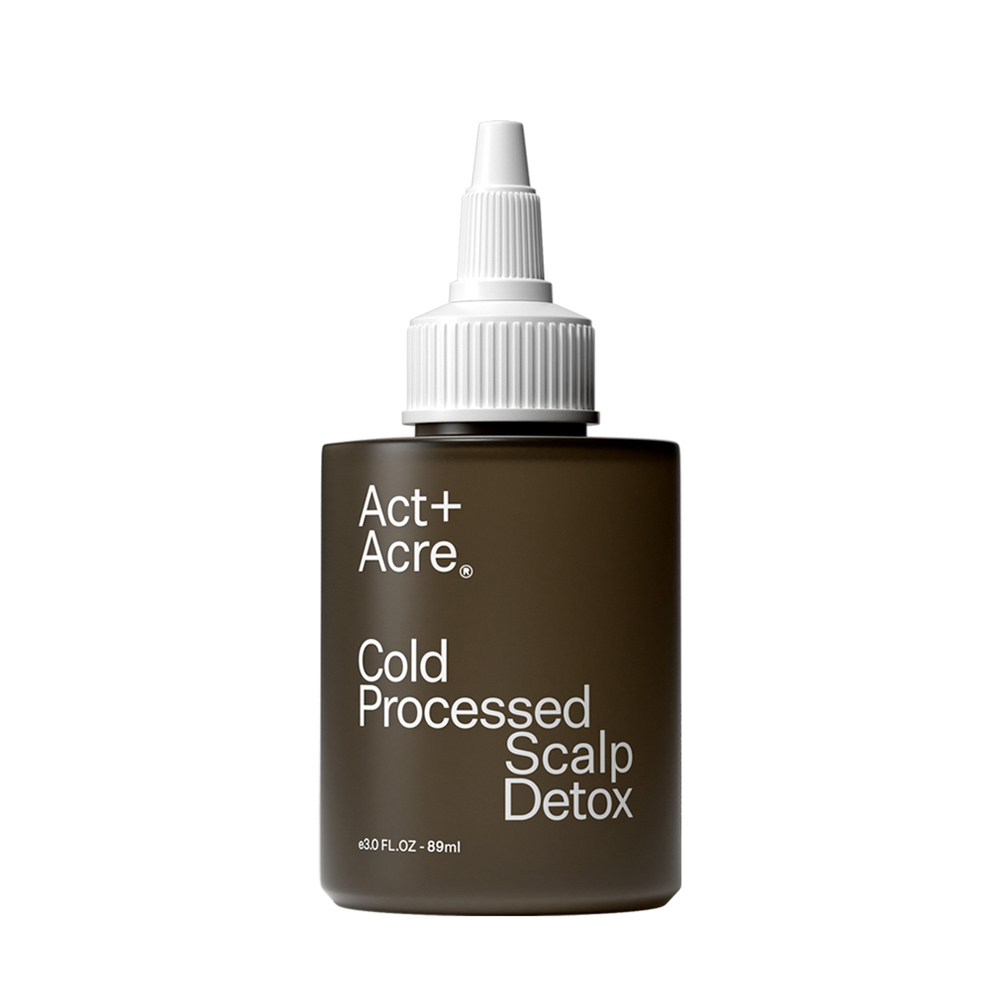
Your scalp is skin too—and it needs circulation and cleansing. This cooling pre-cleanse treatment uses apple cider vinegar and moringa oil to remove buildup and support follicular health. It’s a modern detox for the overlooked skin barrier at the root of your hair wellness.
